
Crawl space waterproofing in Nashville, TN
Waterproofing deals with liquid water getting in. Encapsulation deals with vapor and humidity. They are different problems, they are often confused, and a crawl space with standing water needs the first one before the second is worth doing.
Who handles crawl space waterproofing in Nashville, TN?
Nashville Crawl Space Solutions arranges crawl space waterproofing across Nashville and Middle Tennessee — interior drainage, sump systems, groundwater management and exterior water control. Call (615) 805-5343 to arrange an evaluation.
Waterproofing and encapsulation are not the same thing
This distinction causes more wasted money than any other in crawl space work. Waterproofing keeps liquid water out — from groundwater, surface runoff, or plumbing. Encapsulation controls water vapor and humidity in a space that is already dry.
A liner installed over a crawl space that still floods does not stop the water. It puts a sheet of plastic over it. The water still collects, and now it does so where you cannot see it.
If your crawl space holds standing water after heavy rain, or the ground is persistently saturated, that is a waterproofing problem and it needs solving first.
Where the water comes from in Middle Tennessee
Middle Tennessee sits on limestone, and limestone weathers into karst — fractures, seams and voids that carry water underground along paths that are hard to predict from the surface. Two houses on the same street can have very different water behavior for reasons that are entirely below grade.
That said, the most common causes are simpler and cheaper to fix than homeowners expect. Gutters that discharge next to the foundation. Downspouts that end at the wall instead of being carried away. Grading that slopes toward the house rather than away from it. Landscape beds that hold water against the foundation.
A competent evaluation checks those first, because there is no sense installing an interior drainage system to manage water that a downspout extension would have kept out of the ground in the first place.
How interior drainage works
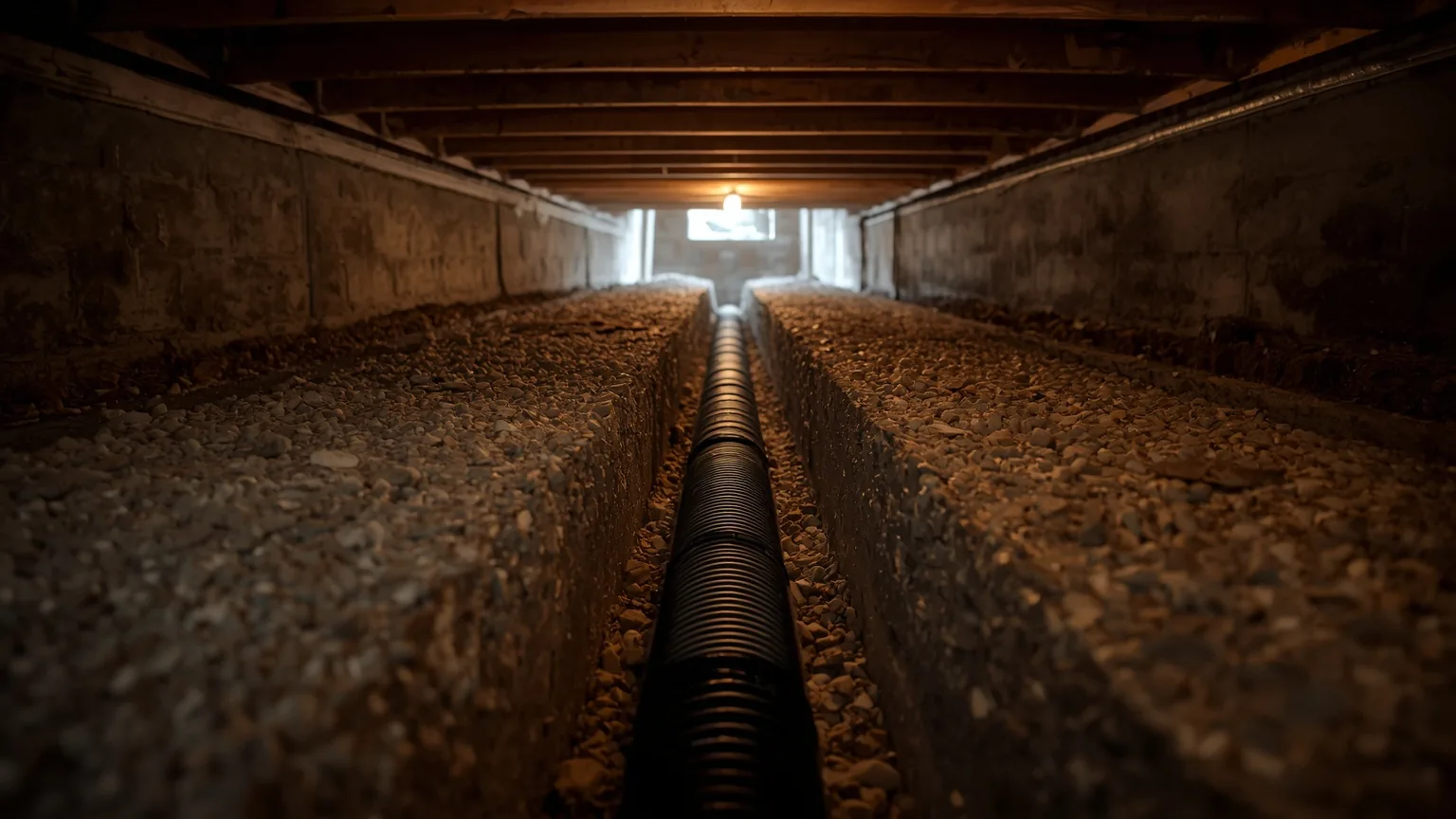
When groundwater genuinely needs managing, the usual approach is a perimeter drain inside the crawl space, set below the level of the ground surface, that collects water and carries it to a sump basin. A pump then discharges it away from the foundation.
The details determine whether it works long-term: where the drain is placed relative to the footing, whether it is protected from silting up, how the sump is sized, whether the pump has a check valve and where its discharge terminates. A discharge line that dumps next to the foundation returns the water to where it started.
Interior drainage manages water that has already reached the crawl space. It is reliable and less disruptive than exterior work, but it is a management system rather than a barrier — which is why exterior water control still matters even after it is installed.
The right sequence
Exterior water control first, because it is the cheapest and addresses the source. Interior drainage where groundwater still needs managing. Structural repair once the space can be kept dry. Then encapsulation and humidity control to handle what remains as vapor.
Running that sequence out of order is the most common reason crawl space work has to be redone.
Drainage: where the water goes once it is inside
Waterproofing a crawl space is two problems, not one. The first is stopping water at the perimeter. The second is giving whatever still gets in a route out, because no below-grade space stays perfectly dry forever and a space with no drainage path holds what it takes on.
A perimeter drain sits in a gravel trench at the footing, collects water moving through the soil before it reaches the open floor, and carries it to a sump. The sump pump lifts it out and discharges it far enough from the foundation that it is not immediately drawn back. A discharge line that ends against the foundation wall recirculates the same water.
Middle Tennessee's limestone karst geology matters here. Water moving through fractured limestone can arrive under pressure and from directions surface grading does not predict, which is why a crawl space can be dry for years and then take water after one storm without anything visible changing at the surface.
Why this keeps happening in Middle Tennessee
The physics that ruins vented crawl spaces is simple. Warm outdoor air holds far more moisture than cool air. When that air enters a crawl space and touches surfaces sitting below its dew point — ductwork, pipes, the underside of the subfloor — the moisture condenses out onto them. The vents that were supposed to dry the space are what deliver the water.
Nashville sits in a humid subtropical climate, which means long stretches of warm, moisture-heavy air from late spring through early fall, which is why crawl spaces here are often at their worst in midsummer rather than after heavy rain. Middle Tennessee sits on limestone. Limestone weathers into karst — fractures, seams and voids that move water underground in ways that are difficult to predict from the surface.
Wood begins supporting fungal growth at roughly 20 percent moisture content. Structural framing is not damaged by a single humid week; it is damaged by months of sitting above that threshold. Air moves upward through a house. A meaningful share of the air in your living space started in the crawl space, which is why crawl space humidity and odor show up upstairs.
Crawl Space Waterproofing questions
What is the difference between crawl space waterproofing and encapsulation?
Waterproofing stops liquid water from entering — through drainage, sump systems and exterior water management. Encapsulation seals the space against ground vapor and outside air, then controls humidity. A crawl space with standing water needs waterproofing first; a liner alone will simply cover the water.
Why is there standing water in my crawl space?
Most commonly from surface water — gutters and downspouts discharging at the foundation, or grading that directs runoff toward the house. Groundwater and plumbing leaks account for the rest. Identifying which one applies determines whether the fix is a downspout extension or a drainage system.
Do I need a sump pump in my crawl space?
Only if water is genuinely collecting there and cannot be redirected before it arrives. A sump manages water that has already entered. Where the source is surface runoff, correcting the grading and downspouts often solves it without one.
Can I waterproof a crawl space from outside?
Exterior work — regrading, extending downspouts, correcting landscape drainage, and in some cases exterior excavation — addresses water before it reaches the foundation. It is the right starting point. Full exterior excavation is more disruptive and expensive, so interior drainage is more common for existing homes.
Will waterproofing stop the musty smell?
Partly. Removing standing water removes a major moisture source, but odor usually comes from humidity and fungal growth as well. Most homes need the humidity addressed too before the smell resolves fully.
Do I need drainage if I am encapsulating?
It depends on whether liquid water enters the space. Encapsulation manages humidity and ground vapor; it does not remove standing water. If water arrives through the walls or floor, drainage has to be installed before the liner, because a liner laid over an active water source seals the water underneath it.
Related moisture & encapsulation services
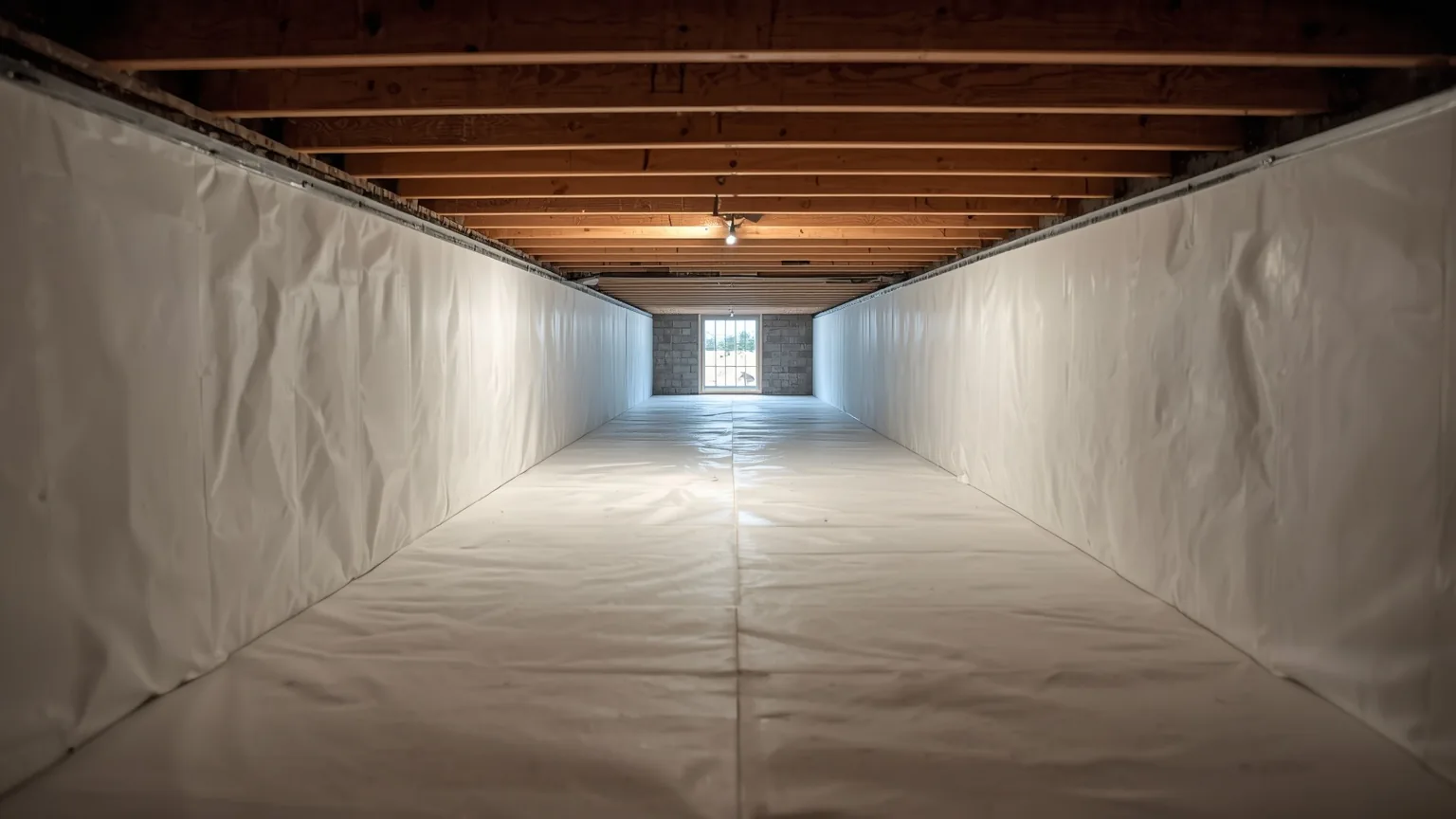
Crawl Space Encapsulation
Encapsulation seals the crawl space off from the ground and the outside air, then controls the humidity of what is left. Done properly it stops the moisture cycle that rots framing and pushes damp air upstairs. Done as a liner alone, it traps the problem instead of solving it.
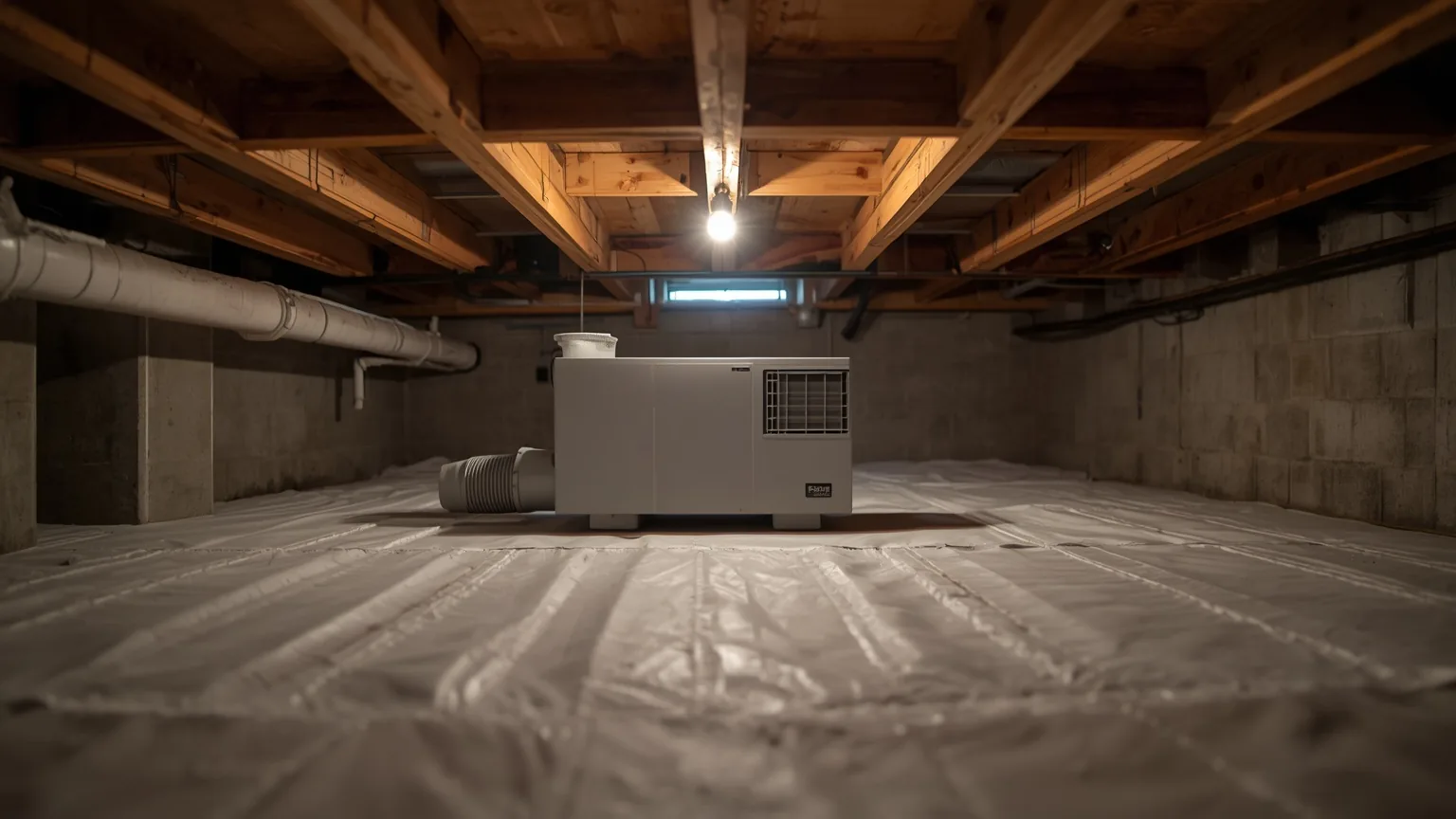
Crawl Space Dehumidifier Installation
A crawl space dehumidifier is not a portable unit set on the dirt with an extension cord. It is a permanently installed, drained appliance sized to the space, and it belongs at the end of a moisture plan rather than the start of one.
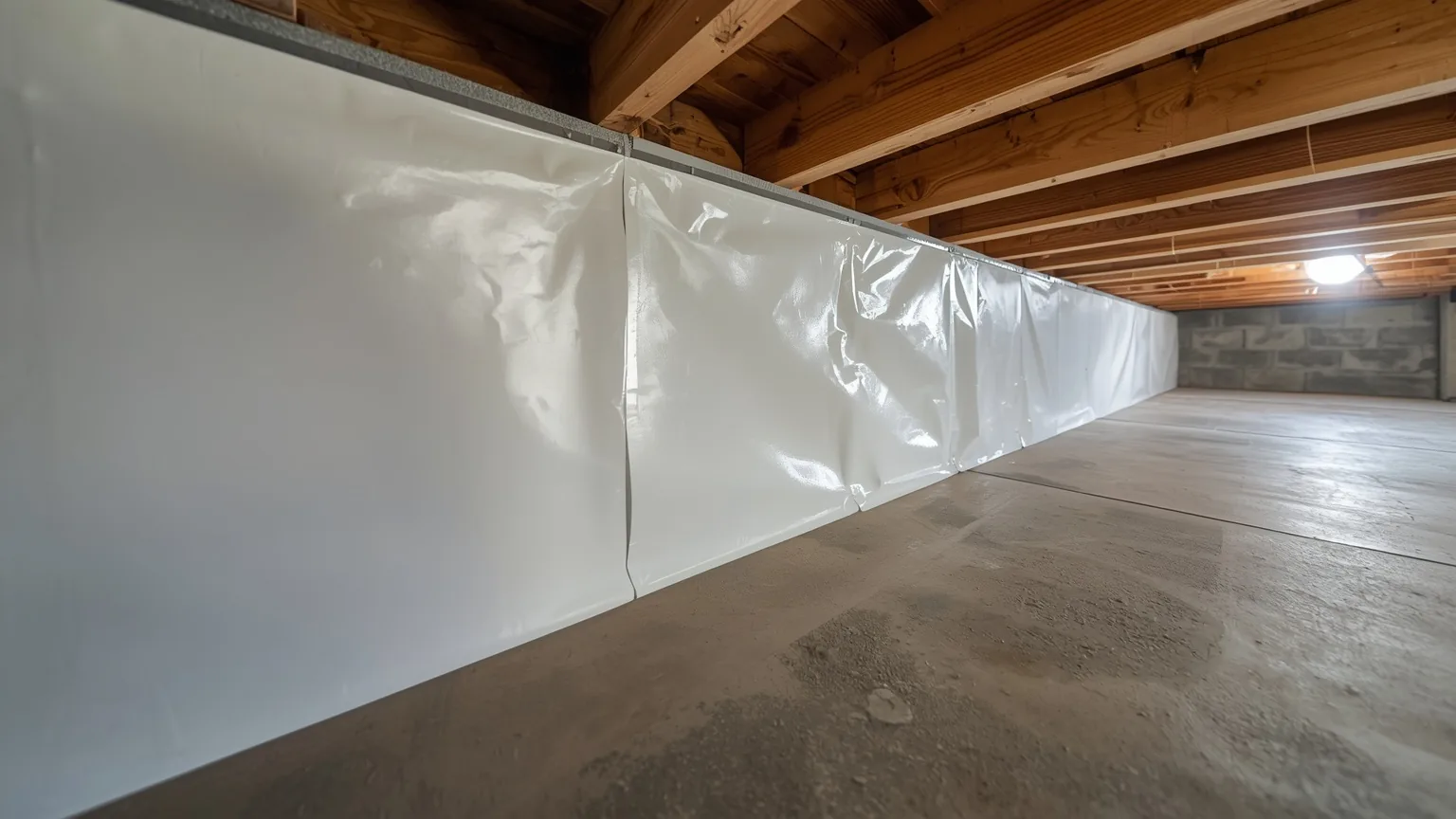
Crawl Space Encapsulation Cost
Encapsulation quotes for the same house can differ enormously and both be honest, because the word covers very different scopes of work. Here is what moves the number, so you can tell which one you are being quoted.
Find out what is actually causing it.
An on-site evaluation with moisture readings and a written scope — before any work is quoted.