
Crawl space dehumidifier installation in Nashville, TN
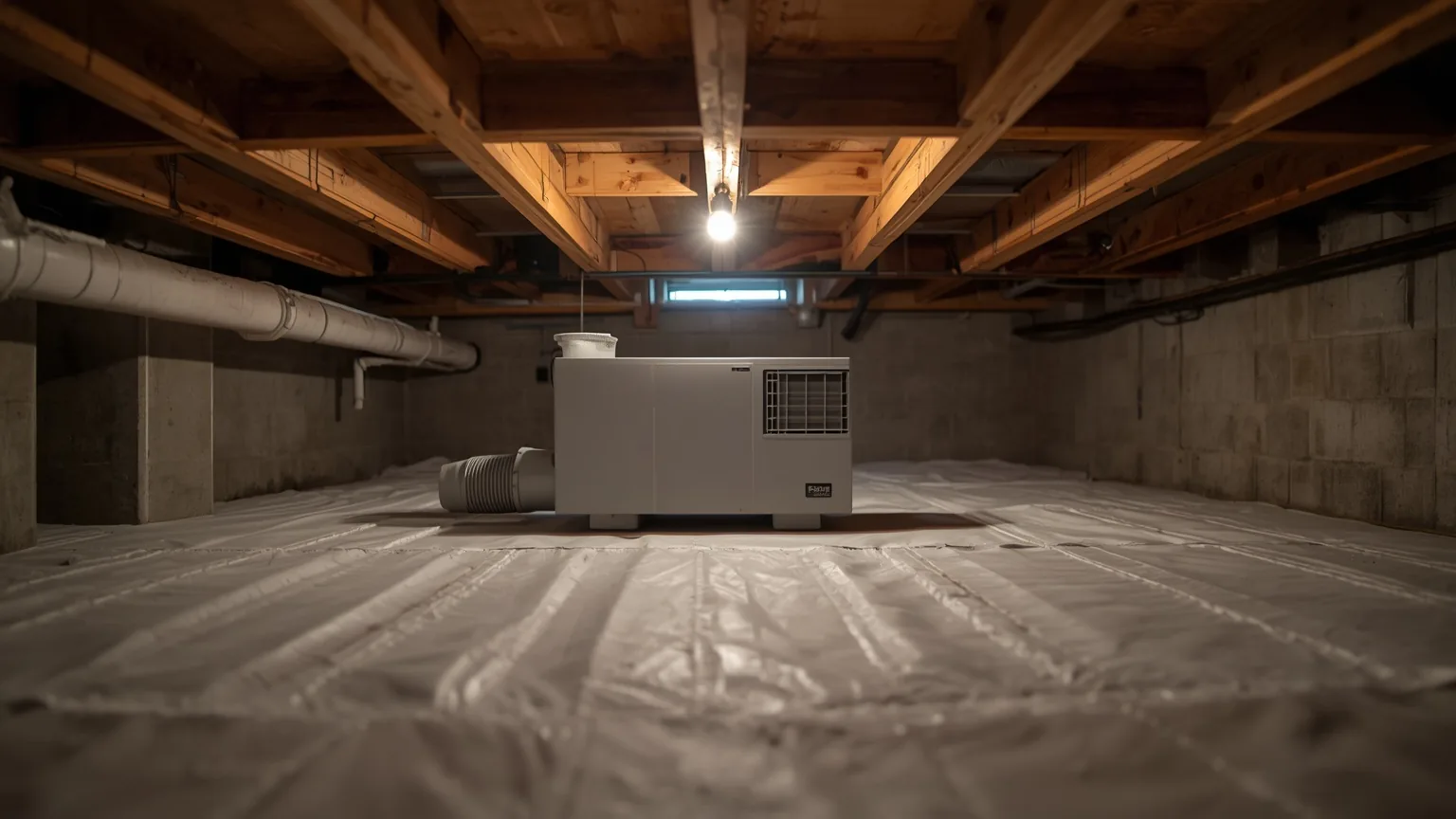
A crawl space dehumidifier is not a portable unit set on the dirt with an extension cord. It is a permanently installed, drained appliance sized to the space, and it belongs at the end of a moisture plan rather than the start of one.
Who handles crawl space dehumidifier installation in Nashville, TN?
Nashville Crawl Space Solutions arranges professional crawl space dehumidifier installation across Nashville and Middle Tennessee — unit sizing, condensate drainage, placement and integration with a sealed crawl space. Call (615) 805-5343 to arrange an evaluation.
Why a dehumidifier comes last, not first
A dehumidifier removes water from air. It does nothing about water entering as liquid, and in an unsealed crawl space it works against an unlimited supply — humid outside air keeps arriving through the vents, and the unit runs continuously trying to dry the outdoors.
That is why installing one into a vented, wet crawl space produces high running costs and disappointing results. The sequence that works is: stop liquid water, seal the space, then dehumidify what remains.
Once the space is sealed, the job becomes finite and a properly sized unit can hold humidity in a range where wood stays dry and fungal growth stops.
What proper installation involves
Sizing to the actual volume and conditions of the space, rather than fitting whatever the supplier stocks. Undersized units run constantly and never reach target; oversized ones short-cycle.
A permanent condensate drain, so the unit empties itself — gravity to a suitable discharge point, or a condensate pump where gravity is not available. A crawl space dehumidifier with a manual reservoir is a maintenance task nobody performs, and it stops working the first time it fills.
Placement that allows the unit to circulate air through the space rather than dry one corner, a dedicated power supply appropriate to the load, and clearance for future service. Many units include a humidistat so the appliance maintains a set point rather than running continuously.
A note on portable units
A household portable dehumidifier is designed for a bedroom or a basement corner. In a crawl space it faces a much harsher environment, needs its reservoir emptied by hand, and generally cannot maintain a target humidity across the volume of a full crawl space.
If someone has recommended a dehumidifier for your crawl space, it is worth being clear about which kind is meant. The permanently installed, drained appliance is a different product from the one on a home improvement shelf, and the two are not interchangeable.
Why this keeps happening in Middle Tennessee
The physics that ruins vented crawl spaces is simple. Warm outdoor air holds far more moisture than cool air. When that air enters a crawl space and touches surfaces sitting below its dew point — ductwork, pipes, the underside of the subfloor — the moisture condenses out onto them. The vents that were supposed to dry the space are what deliver the water.
Nashville sits in a humid subtropical climate, which means long stretches of warm, moisture-heavy air from late spring through early fall, which is why crawl spaces here are often at their worst in midsummer rather than after heavy rain. Middle Tennessee sits on limestone. Limestone weathers into karst — fractures, seams and voids that move water underground in ways that are difficult to predict from the surface.
Wood begins supporting fungal growth at roughly 20 percent moisture content. Structural framing is not damaged by a single humid week; it is damaged by months of sitting above that threshold. Air moves upward through a house. A meaningful share of the air in your living space started in the crawl space, which is why crawl space humidity and odor show up upstairs.
Crawl Space Dehumidifier Installation questions
Do I need a dehumidifier if my crawl space is encapsulated?
Frequently, though not always. Sealing the space removes most incoming moisture but also removes the air exchange that used to carry some away. Whether the sealed space holds acceptable humidity on its own is something that should be measured after sealing rather than assumed either way.
What size dehumidifier does a crawl space need?
It depends on the volume of the space, how well it is sealed, and the moisture load remaining after other work. Sizing should follow from the actual conditions, because an undersized unit never reaches its target and an oversized one cycles inefficiently.
Can I just use a regular dehumidifier down there?
A household portable is not designed for crawl space conditions, needs manual emptying, and generally cannot hold a target humidity across the space. Purpose-built crawl space units are installed permanently with a condensate drain so they operate unattended.
How much does it cost to run a crawl space dehumidifier?
Running cost depends on the unit's power draw and how much it has to run, which depends on how well the space is sealed. A dehumidifier in a properly sealed crawl space cycles far less than one fighting a continuous supply of outside air — which is a large part of why sealing comes first.
Related moisture & encapsulation services
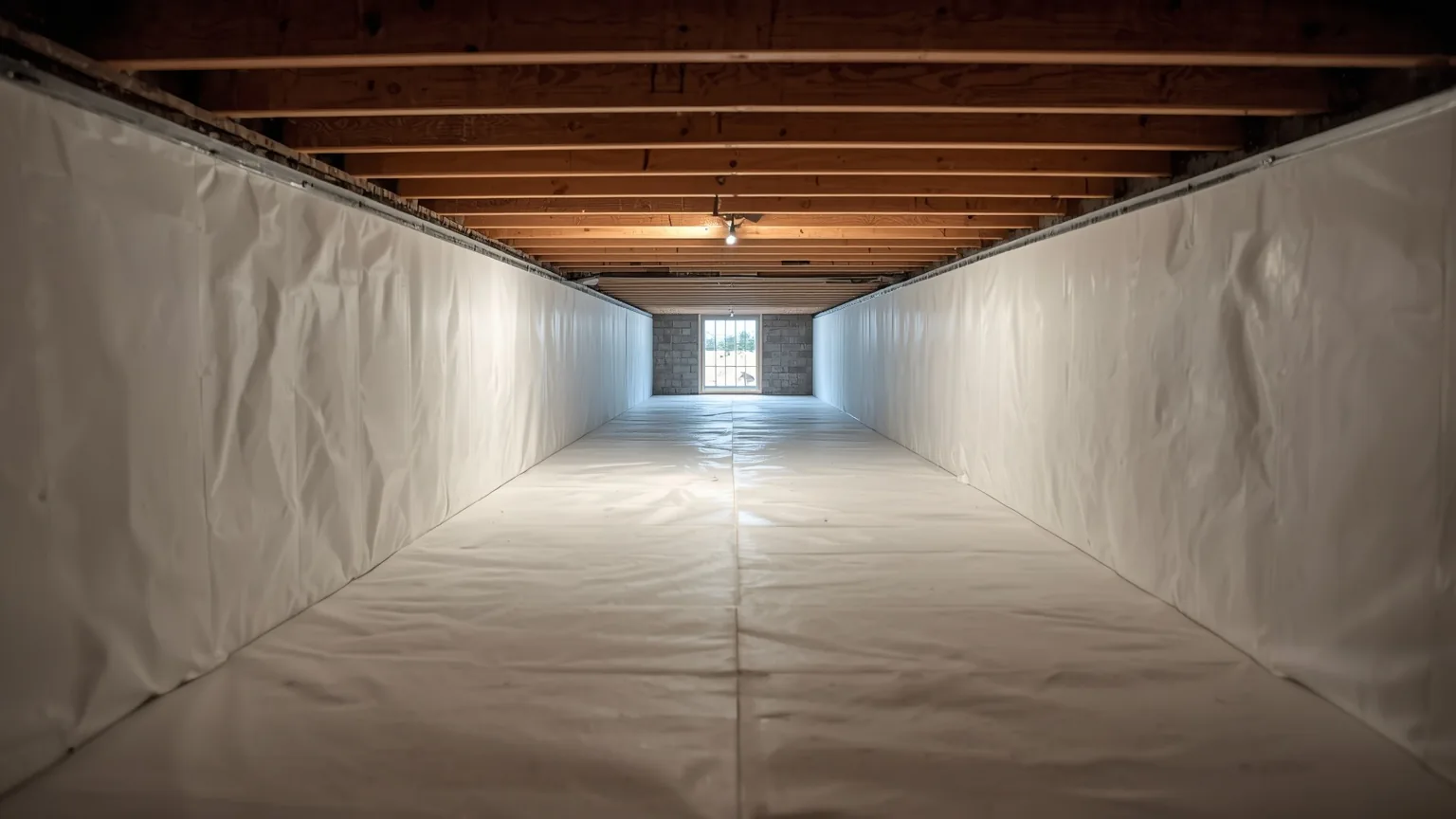
Crawl Space Encapsulation
Encapsulation seals the crawl space off from the ground and the outside air, then controls the humidity of what is left. Done properly it stops the moisture cycle that rots framing and pushes damp air upstairs. Done as a liner alone, it traps the problem instead of solving it.
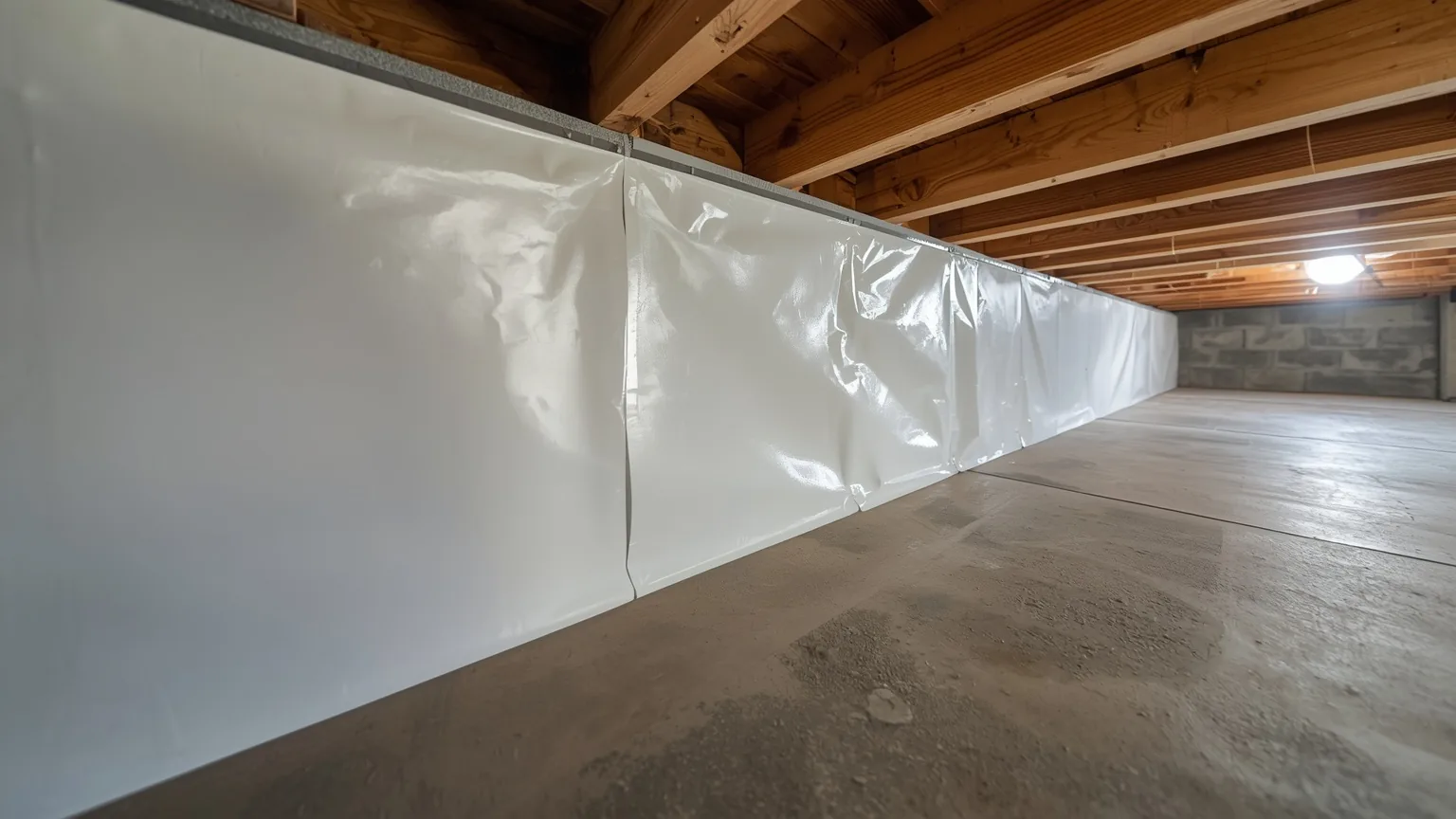
Crawl Space Encapsulation Cost
Encapsulation quotes for the same house can differ enormously and both be honest, because the word covers very different scopes of work. Here is what moves the number, so you can tell which one you are being quoted.
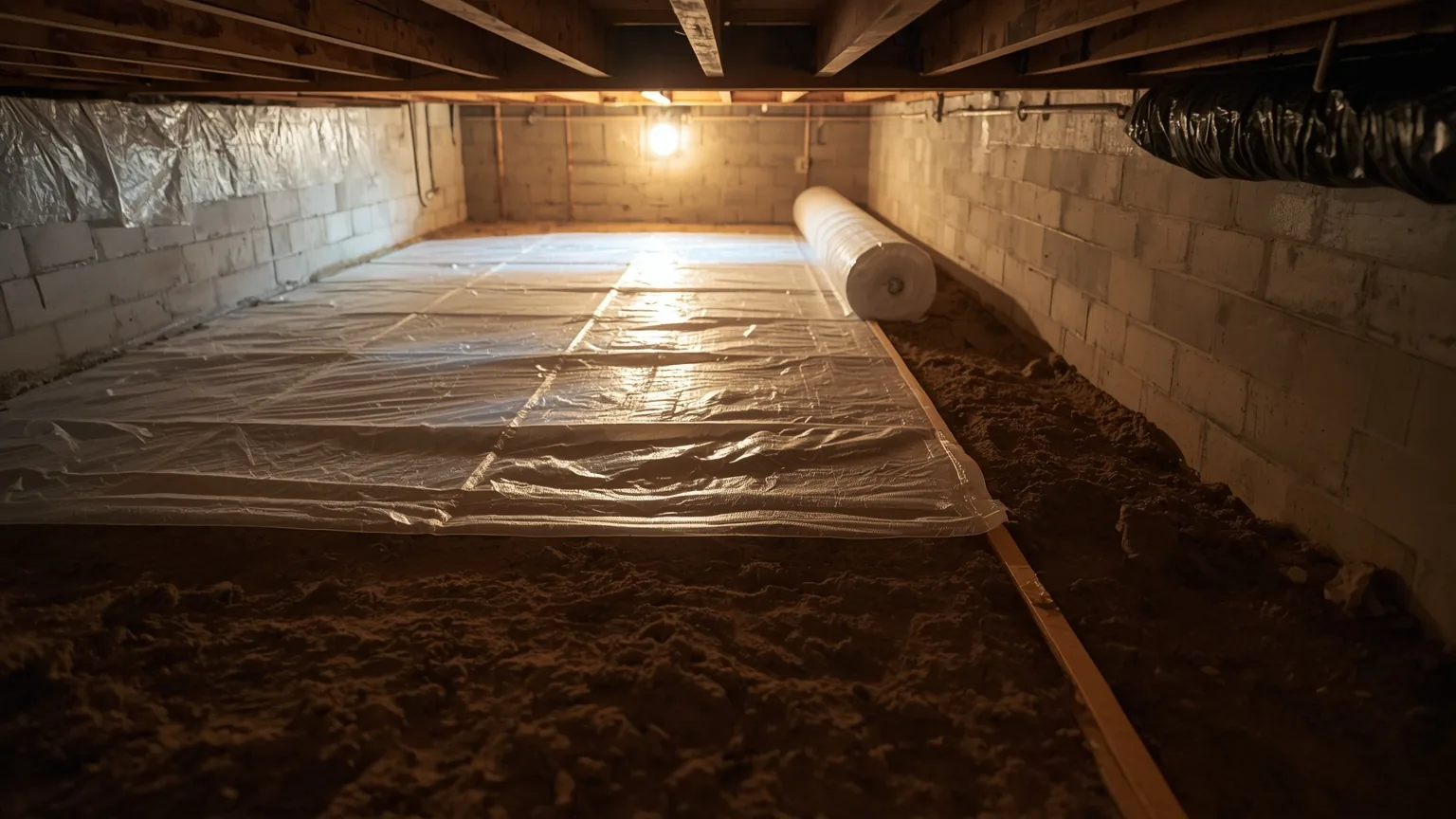
Vapor Barrier Installation
A vapor barrier stops moisture evaporating out of the soil into the crawl space. It is a real and useful part of moisture control — and it is also the step most often sold as a complete solution when it is not one.
Find out what is actually causing it.
An on-site evaluation with moisture readings and a written scope — before any work is quoted.