
What crawl space encapsulation costs in Nashville, TN
Encapsulation quotes for the same house can differ enormously and both be honest, because the word covers very different scopes of work. Here is what moves the number, so you can tell which one you are being quoted.
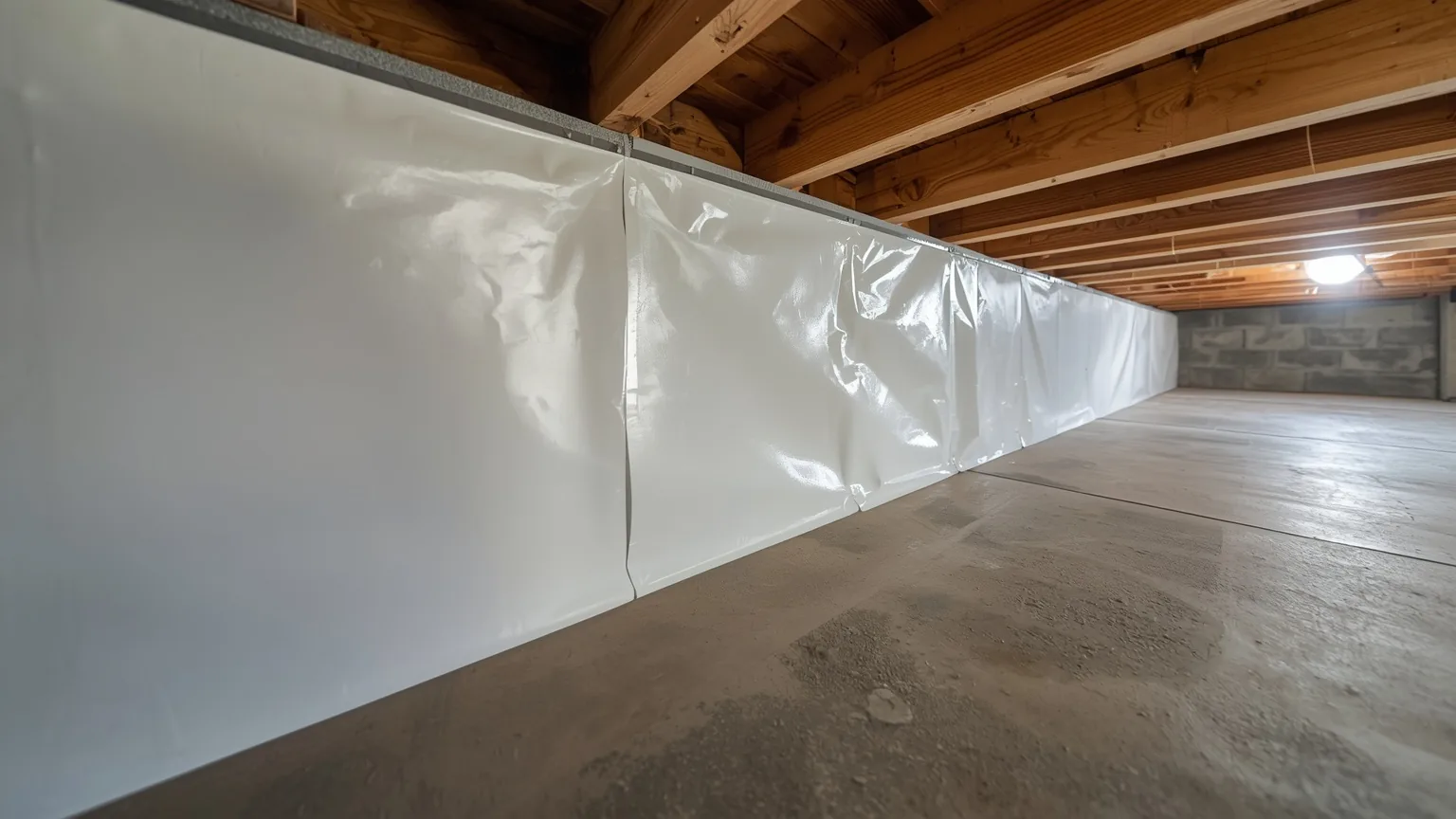
Who handles crawl space encapsulation cost in Nashville, TN?
Nashville Crawl Space Solutions does not publish a price, because a crawl space cannot be priced without being seen. What determines the figure is square footage, liner thickness, whether drainage or structural repair is needed first, whether old insulation must come out, and how hard the space is to get into. Ask for those line items itemised. Call (615) 805-5343 to arrange an evaluation.
Why nobody can quote encapsulation over the phone
Encapsulation is not one product with one price. It is a sequence of steps, and which steps your house needs cannot be established without someone getting under it and taking moisture readings. A contractor who gives you a firm number before seeing the space is either quoting a liner-only job or intends to revise the figure later.
This is the single most useful thing to understand before you collect quotes. Two companies can both say "encapsulation", produce numbers that differ by a multiple, and neither be dishonest — because one is pricing a vapor barrier laid on the floor and the other is pricing drainage, air sealing, a liner up the walls, and humidity control.
The factors that actually move the number
Seven things determine what an encapsulation quote says. Every one of them is observable on site, and every one of them should be visible as a line item.
- Square footage of the crawl space. The largest single driver, because liner, labour and sealing all scale with area.
- Liner thickness and specification. A thin sheet laid loose over the dirt and a reinforced liner mechanically fastened and sealed up the foundation walls are different materials doing different jobs over different lifespans.
- Whether drainage is required first. If liquid water enters the space, drainage and a sump have to go in before the liner. This is often the entire difference between two quotes on the same house.
- Whether structural repair is required first. Joists, girders or support posts that have been sitting in moisture may need sistering or replacement. That work happens before encapsulation, not after.
- Removal of existing insulation. Wet, fallen fiberglass has to come out and be disposed of — labour and haul-away before any new work starts.
- Humidity control. A sealed crawl space needs its humidity actively managed. A dehumidifier sized for the space, with condensate drainage, is a real line item.
- Access. A small exterior hatch and low headroom cost more to work in than a full-height entry, because every material and every bag of debris moves through that opening by hand.
How to compare two quotes that use the same word
Ask both contractors to itemise against the list above. A quote that reads as a single number beside the word "encapsulation" cannot be compared to anything. A quote that names the liner thickness, states whether drainage is included, says what happens to the old insulation, and specifies the dehumidifier is a document you can hold someone to.
Ask specifically what is excluded. Exclusions are where the difference between two numbers usually lives — and where a low quote becomes a change order after the work has started.
Ask for the moisture readings the quote is based on, and where in the space they were taken. If nobody measured anything, the scope is an opinion rather than a diagnosis, and you are being priced on a guess.
Where cost and value separate
The cheapest scope is a vapor barrier laid over the floor. It is genuinely cheaper and it genuinely does less: it slows ground vapor and does nothing about humid outside air entering through vents, which in a humid subtropical climate is a large share of the moisture load.
The expensive failure is paying for a full encapsulation over an unresolved water source. The liner conceals the problem rather than fixing it, and the structural damage continues underneath it where nobody is looking. Sequence is what you are actually paying for.
Why this keeps happening in Middle Tennessee
The physics that ruins vented crawl spaces is simple. Warm outdoor air holds far more moisture than cool air. When that air enters a crawl space and touches surfaces sitting below its dew point — ductwork, pipes, the underside of the subfloor — the moisture condenses out onto them. The vents that were supposed to dry the space are what deliver the water.
Nashville sits in a humid subtropical climate, which means long stretches of warm, moisture-heavy air from late spring through early fall, which is why crawl spaces here are often at their worst in midsummer rather than after heavy rain. Middle Tennessee sits on limestone. Limestone weathers into karst — fractures, seams and voids that move water underground in ways that are difficult to predict from the surface.
Wood begins supporting fungal growth at roughly 20 percent moisture content. Structural framing is not damaged by a single humid week; it is damaged by months of sitting above that threshold. Air moves upward through a house. A meaningful share of the air in your living space started in the crawl space, which is why crawl space humidity and odor show up upstairs.
Crawl Space Encapsulation Cost questions
Why will nobody give me a price over the phone?
Because the scope depends on conditions that can only be observed under the house — whether water enters, how much insulation must be removed, whether framing has been damaged, and how accessible the space is. A firm figure given before an inspection is usually a liner-only price that changes once the crawl space is seen.
Is encapsulation cheaper than a vapor barrier?
No. A vapor barrier is a component of encapsulation, so it costs less on its own. The relevant question is whether a barrier alone addresses your problem. It slows vapor from the ground but does nothing about humid air entering through open vents, which is a large part of the moisture load in Middle Tennessee.
Does encapsulation cost more if my crawl space has standing water?
Yes, because drainage has to be installed first. Sealing a liner over a space that still takes on liquid water traps it underneath. The drainage work is a separate scope that precedes encapsulation, and a quote that omits it on a wet crawl space is quoting the wrong job.
What makes one quote so much higher than another?
Usually scope rather than margin. Liner specification, whether drainage is included, whether old insulation is removed and hauled away, whether a dehumidifier is part of the work, and how difficult the space is to access all vary. Itemised quotes are the only way to see which difference you are looking at.
Should I get more than one quote?
Yes, and ask each for the same itemised breakdown so the numbers describe comparable work. Two quotes for "encapsulation" with no detail behind them tell you nothing except which company is cheaper at describing itself.
Related moisture & encapsulation services
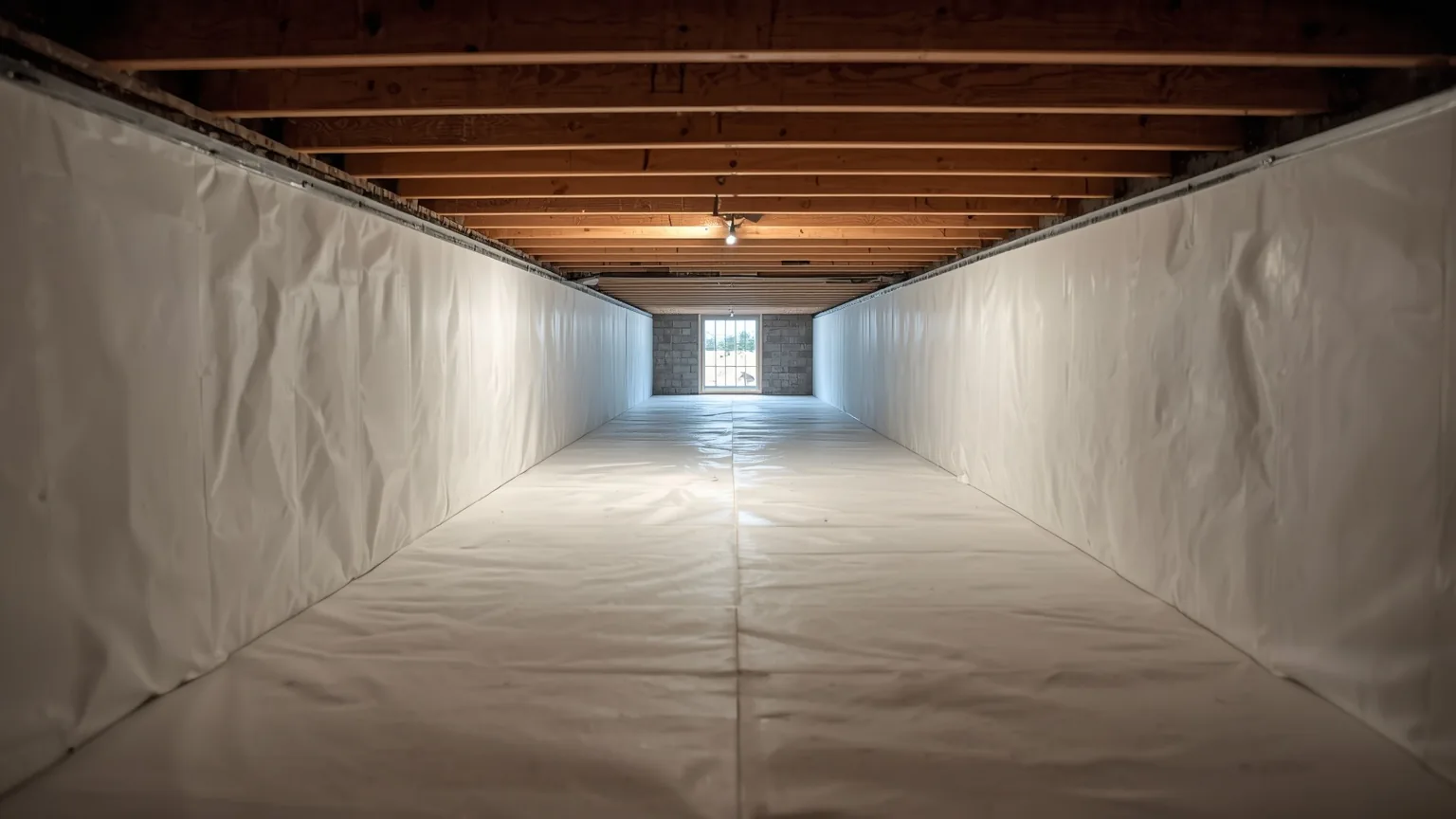
Crawl Space Encapsulation
Encapsulation seals the crawl space off from the ground and the outside air, then controls the humidity of what is left. Done properly it stops the moisture cycle that rots framing and pushes damp air upstairs. Done as a liner alone, it traps the problem instead of solving it.
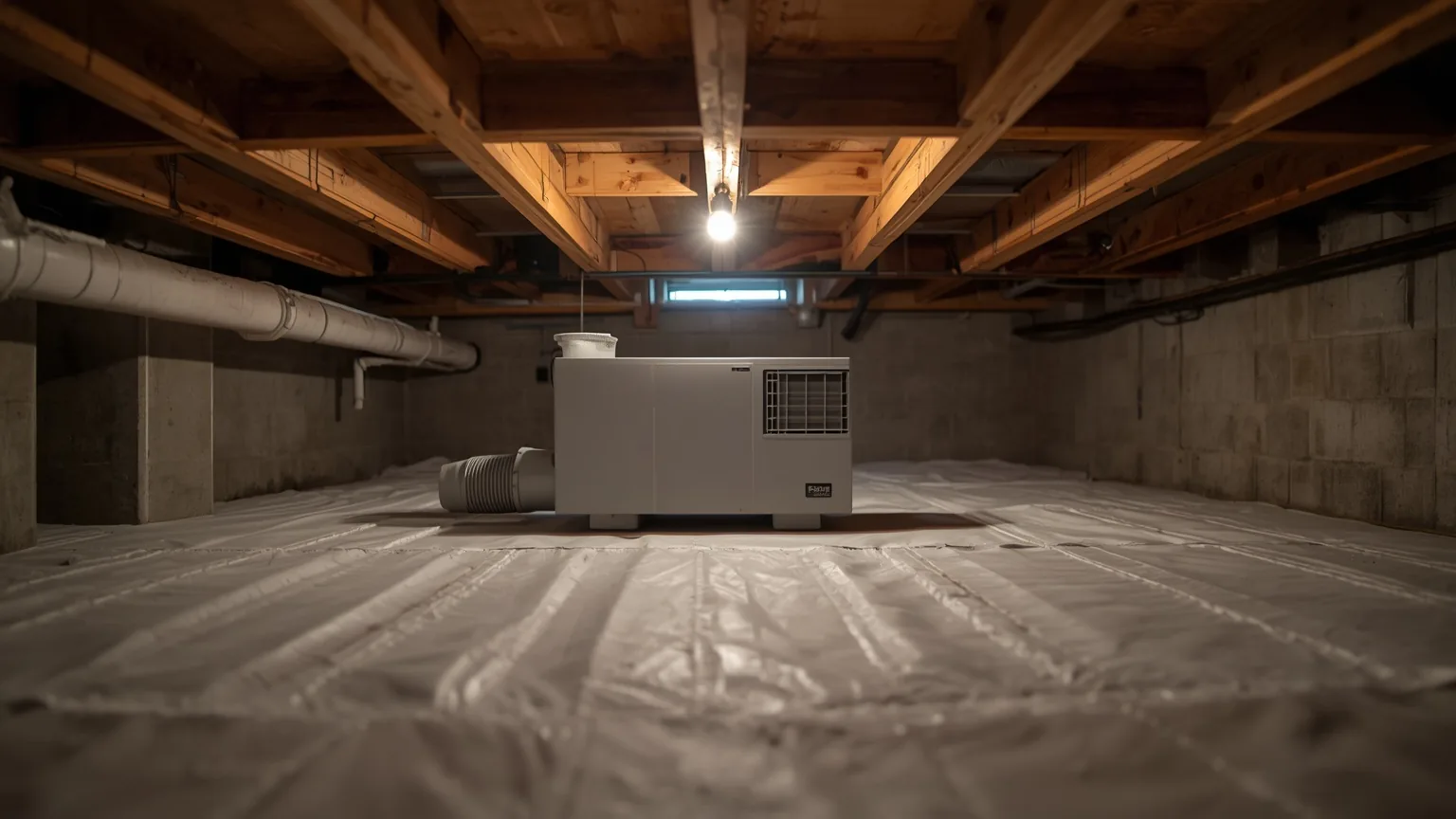
Crawl Space Dehumidifier Installation
A crawl space dehumidifier is not a portable unit set on the dirt with an extension cord. It is a permanently installed, drained appliance sized to the space, and it belongs at the end of a moisture plan rather than the start of one.
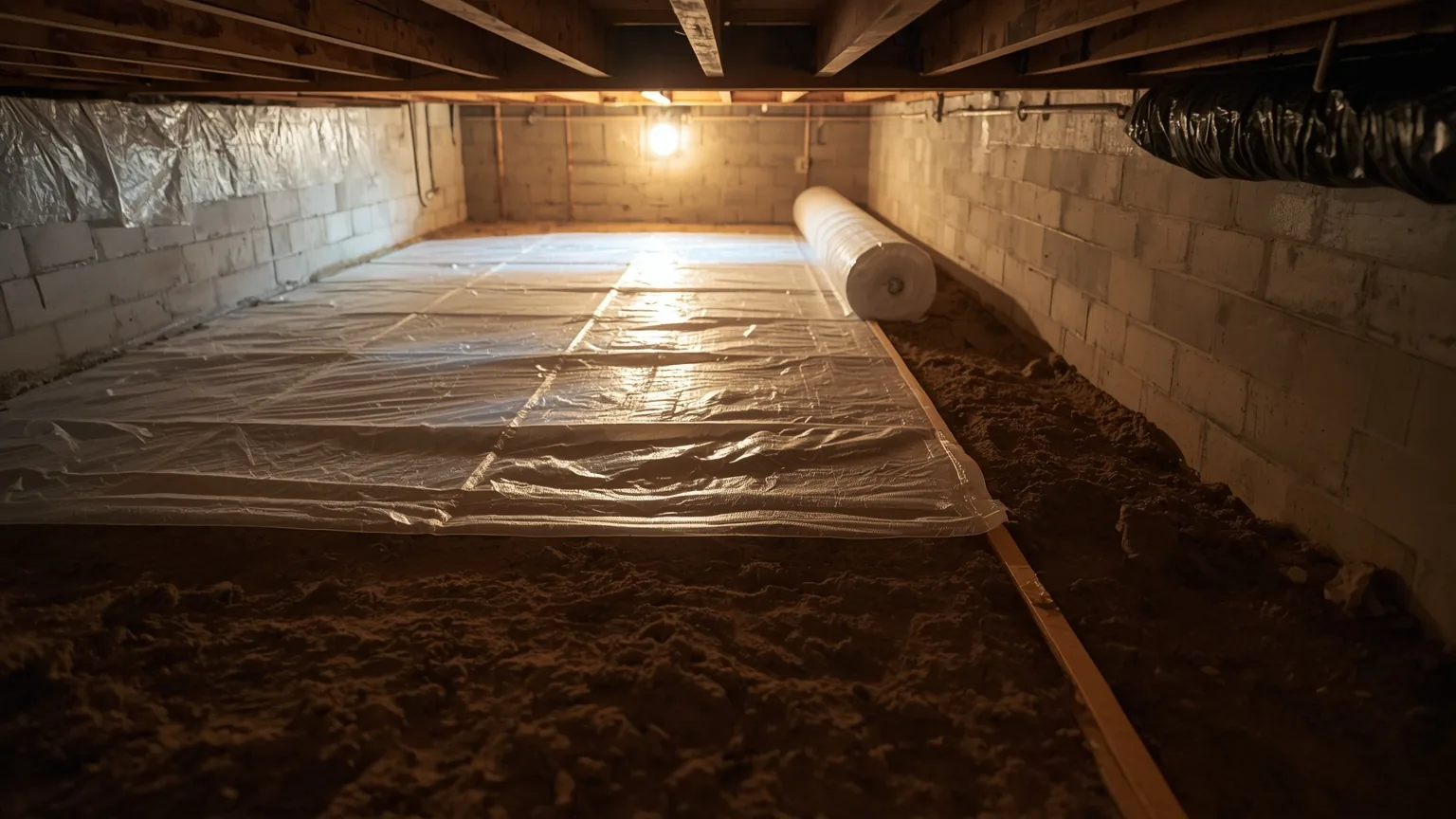
Vapor Barrier Installation
A vapor barrier stops moisture evaporating out of the soil into the crawl space. It is a real and useful part of moisture control — and it is also the step most often sold as a complete solution when it is not one.
Find out what is actually causing it.
An on-site evaluation with moisture readings and a written scope — before any work is quoted.