
Crawl space encapsulation in Nashville, TN
Encapsulation seals the crawl space off from the ground and the outside air, then controls the humidity of what is left. Done properly it stops the moisture cycle that rots framing and pushes damp air upstairs. Done as a liner alone, it traps the problem instead of solving it.
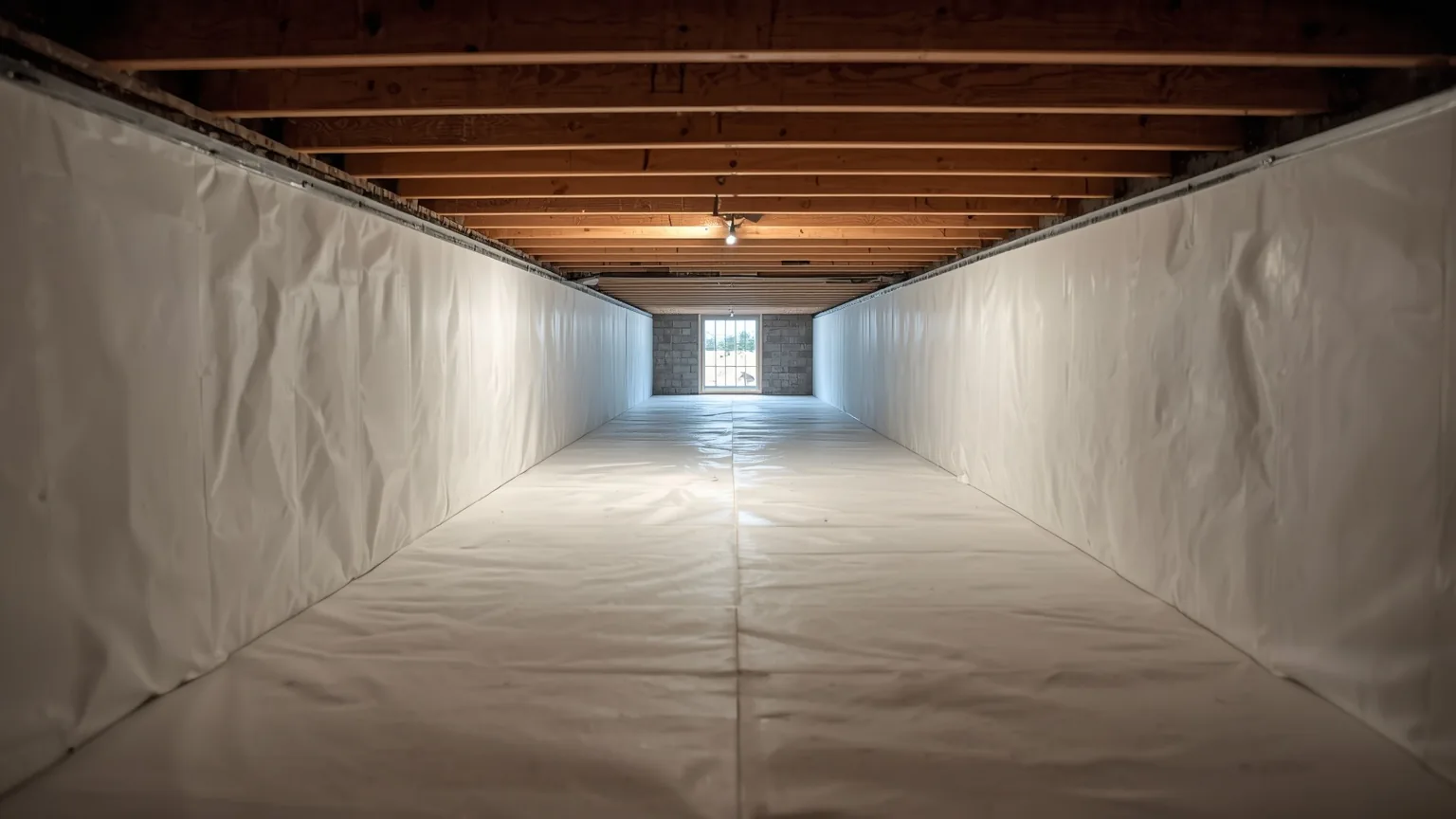
Who handles crawl space encapsulation in Nashville, TN?
Nashville Crawl Space Solutions arranges crawl space encapsulation across Nashville and Middle Tennessee — ground vapor liner, sealed vents and rim joists, drainage where water is present, and humidity control sized to the space. Call (615) 805-5343 to arrange an evaluation.
What encapsulation actually is
Encapsulation means sealing the crawl space into the conditioned envelope of the house rather than leaving it open to outside air. A heavy liner covers the ground and runs up the foundation walls. Vents are closed and sealed. Rim joists are air-sealed. Any water entering the space is drained before the liner goes down, and the humidity of the sealed space is then actively managed.
The order matters more than the materials. A liner installed over a crawl space that still takes on groundwater seals water underneath it. A sealed crawl space with no humidity control can hold moisture that used to escape through the vents. Every step depends on the ones before it, which is why a proper evaluation looks at water first and liner last.
Why vented crawl spaces fail in this climate
Building codes required crawl space vents for decades on the theory that airflow dries a space out. In a humid climate it often does the opposite.
Warm air holds far more water vapor than cool air. Through a Middle Tennessee summer, outdoor air is warm and heavy with moisture. It enters through the vents, meets the cool surfaces of a shaded crawl space — ductwork, plumbing, the underside of the subfloor — and where those surfaces sit below the incoming air's dew point, the moisture condenses onto them. The vents deliver the water rather than removing it.
This is why crawl spaces are often at their wettest in July and August rather than after a heavy rain, and why homeowners who add more vents frequently find the problem gets worse.
What the moisture actually damages
Wood begins supporting fungal growth at roughly 20 percent moisture content. Framing is not harmed by one humid week — it is harmed by months above that threshold, season after season. The result is soft joists, deteriorating subfloor and, in advanced cases, sagging floors above.
The air does not stay down there either. Air moves upward through a house, so a share of what you breathe upstairs started in the crawl space. That is the mechanism behind musty odors on the ground floor, elevated indoor humidity that the air conditioner struggles to bring down, and allergy complaints that track with the seasons.
Insulation is usually the first casualty. Fiberglass batts absorb moisture, lose their R-value, and eventually fall away from the subfloor entirely — which is why sagging insulation is a common early symptom rather than the problem itself.
When encapsulation is the right answer, and when it is not
Not every crawl space needs full encapsulation. A space that is genuinely dry, with no standing water, no condensation staining and framing that measures in a normal moisture range, may only need targeted repairs or a vapor barrier.
Encapsulation tends to be the appropriate recommendation when moisture is chronic rather than occasional: persistent condensation, fungal growth on framing, insulation that has fallen or matted, standing water that returns, or humidity that stays high through the summer regardless of weather.
A contractor who recommends encapsulation without measuring anything is guessing. The evaluation should include actual moisture readings on the framing and an assessment of where water is entering, because those two findings determine whether you need drainage, encapsulation, structural repair, or some combination.
What a Nashville evaluation should cover
A useful crawl space evaluation is not a look around with a flashlight. It should establish where water enters — grading, gutters and downspouts, groundwater, plumbing leaks — because that determines whether drainage has to come first.
It should include moisture content readings on joists, beams and subfloor rather than a visual guess, and an assessment of the structural members for existing damage. It should note the condition and type of any existing insulation and vapor barrier, the routing of ductwork, and whether combustion appliances are present, since those change how a sealed space must be handled.
You should come away with a written scope that says what will be done, in what order, and why — not a single price for an unspecified package.
What drives the cost
Crawl space encapsulation is priced by the specifics of the space, so any figure quoted before someone has been under your house is a guess. The factors that move it most are square footage and clearance height, whether drainage or a sump system is needed before the liner, the condition of the existing insulation and whether it must be removed and disposed of, and whether any structural repair is required first.
Liner thickness, how far it is run up the walls, how the seams and penetrations are sealed, and whether a dehumidifier is included all change the number as well. So does access — a crawl space with an 18-inch clearance and a small exterior hatch takes materially longer to work in than one you can move through.
Ask for the scope itemized rather than bundled. Two quotes for encapsulation can describe genuinely different work.
Why this keeps happening in Middle Tennessee
The physics that ruins vented crawl spaces is simple. Warm outdoor air holds far more moisture than cool air. When that air enters a crawl space and touches surfaces sitting below its dew point — ductwork, pipes, the underside of the subfloor — the moisture condenses out onto them. The vents that were supposed to dry the space are what deliver the water.
Nashville sits in a humid subtropical climate, which means long stretches of warm, moisture-heavy air from late spring through early fall, which is why crawl spaces here are often at their worst in midsummer rather than after heavy rain. Middle Tennessee sits on limestone. Limestone weathers into karst — fractures, seams and voids that move water underground in ways that are difficult to predict from the surface.
Wood begins supporting fungal growth at roughly 20 percent moisture content. Structural framing is not damaged by a single humid week; it is damaged by months of sitting above that threshold. Air moves upward through a house. A meaningful share of the air in your living space started in the crawl space, which is why crawl space humidity and odor show up upstairs.
Crawl Space Encapsulation questions
How long does crawl space encapsulation take?
Most residential crawl spaces are completed within a few days once work begins. Spaces that need drainage installed, insulation removed, or structural repair beforehand take longer, because those steps have to be finished before the liner goes down.
Do I need a dehumidifier with encapsulation?
Often, but not always. Sealing the space stops most moisture from entering, but it also stops the air exchange that used to carry some of it out. Whether a dehumidifier is warranted depends on how the sealed space holds humidity once it is closed, which is something that should be measured rather than assumed.
Should the crawl space vents be closed?
In a full encapsulation, yes — sealing the vents is part of the point, because in a humid climate they bring in the moisture that condenses on cool surfaces. Vents should only be closed as part of a complete system that also handles ground moisture and humidity, not on their own.
Will encapsulation fix sagging floors?
No. Encapsulation stops the moisture that caused the damage; it does not repair framing that has already deteriorated. If joists or beams are compromised, the structural repair has to happen first, and encapsulation then prevents a repeat.
Does encapsulation help with humidity upstairs?
It often does. Air moves upward through a house, so crawl space air ends up in the living space. Homeowners frequently report that indoor humidity is easier to control and musty odors diminish after the crawl space is sealed and dried.
Related moisture & encapsulation services
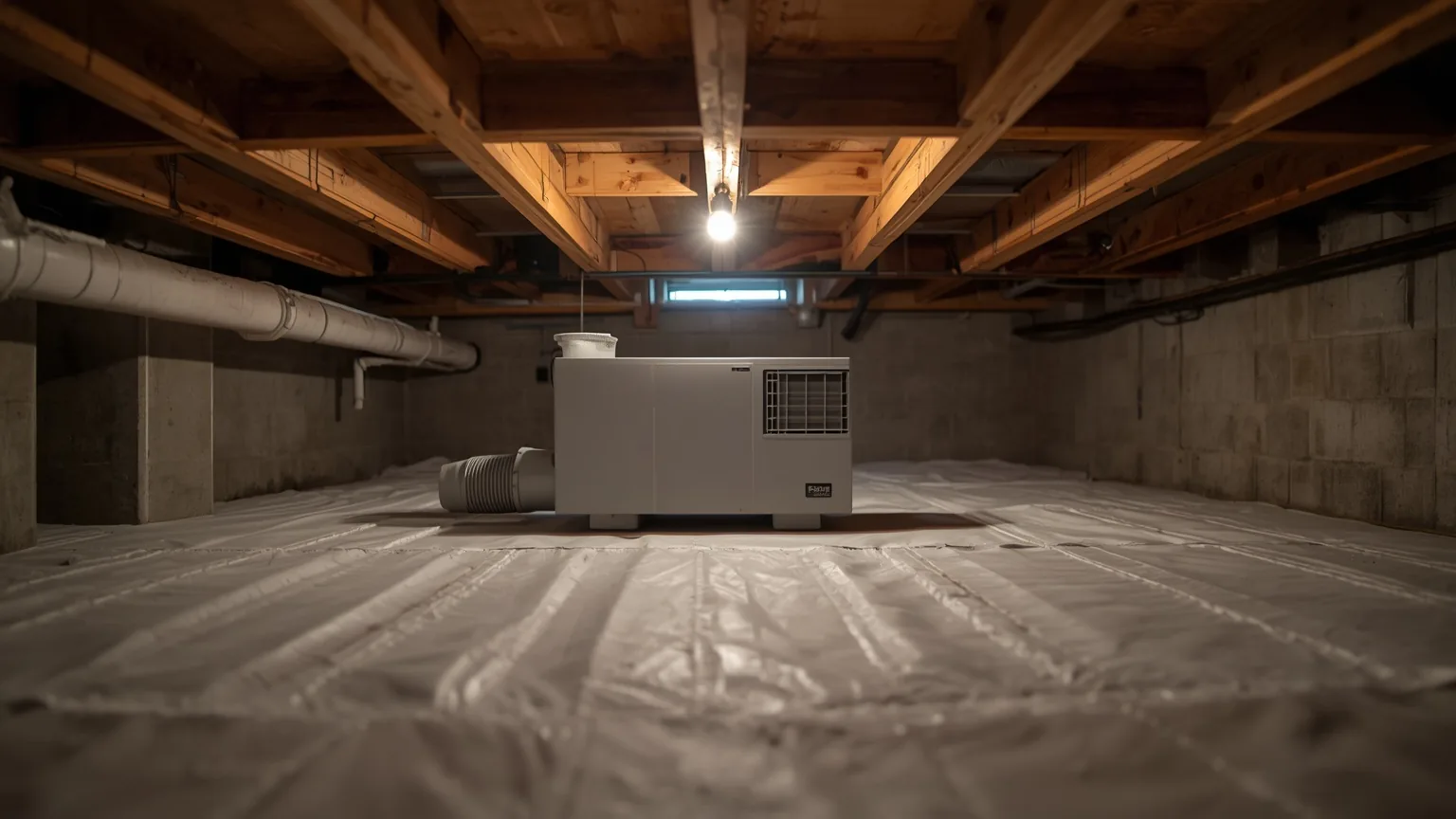
Crawl Space Dehumidifier Installation
A crawl space dehumidifier is not a portable unit set on the dirt with an extension cord. It is a permanently installed, drained appliance sized to the space, and it belongs at the end of a moisture plan rather than the start of one.
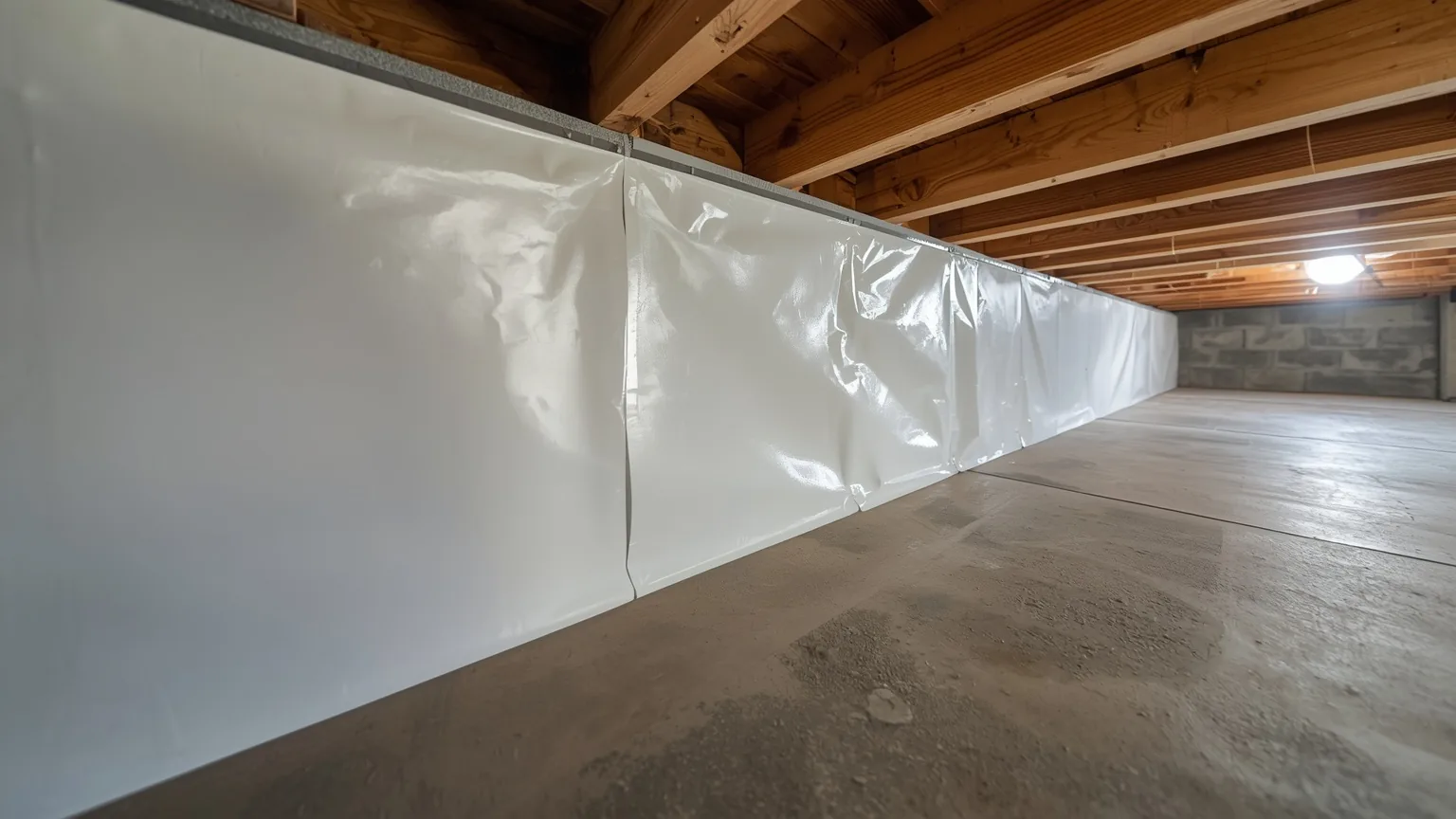
Crawl Space Encapsulation Cost
Encapsulation quotes for the same house can differ enormously and both be honest, because the word covers very different scopes of work. Here is what moves the number, so you can tell which one you are being quoted.
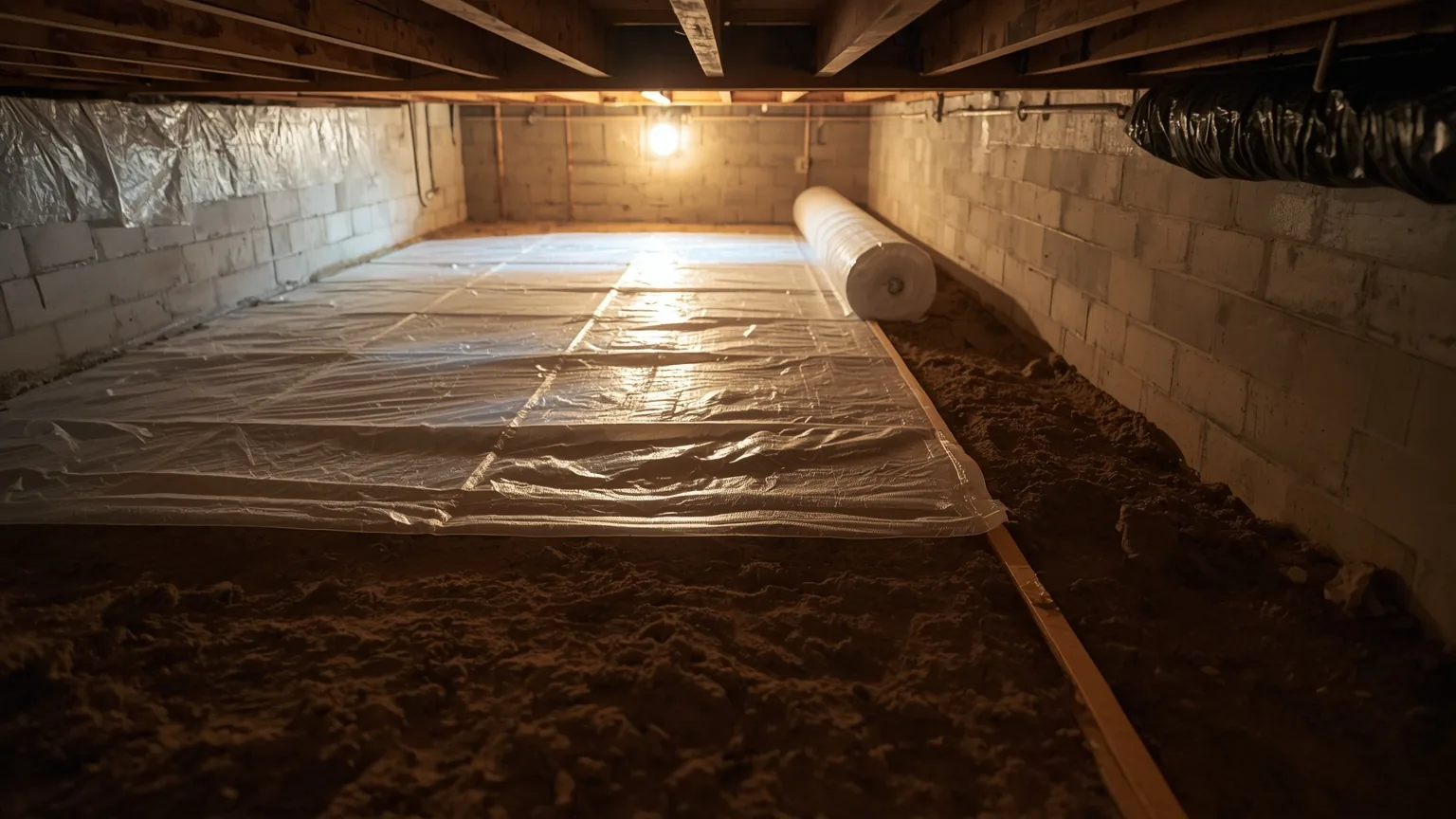
Vapor Barrier Installation
A vapor barrier stops moisture evaporating out of the soil into the crawl space. It is a real and useful part of moisture control — and it is also the step most often sold as a complete solution when it is not one.
Find out what is actually causing it.
An on-site evaluation with moisture readings and a written scope — before any work is quoted.