
Crawl space insulation in Nashville, TN
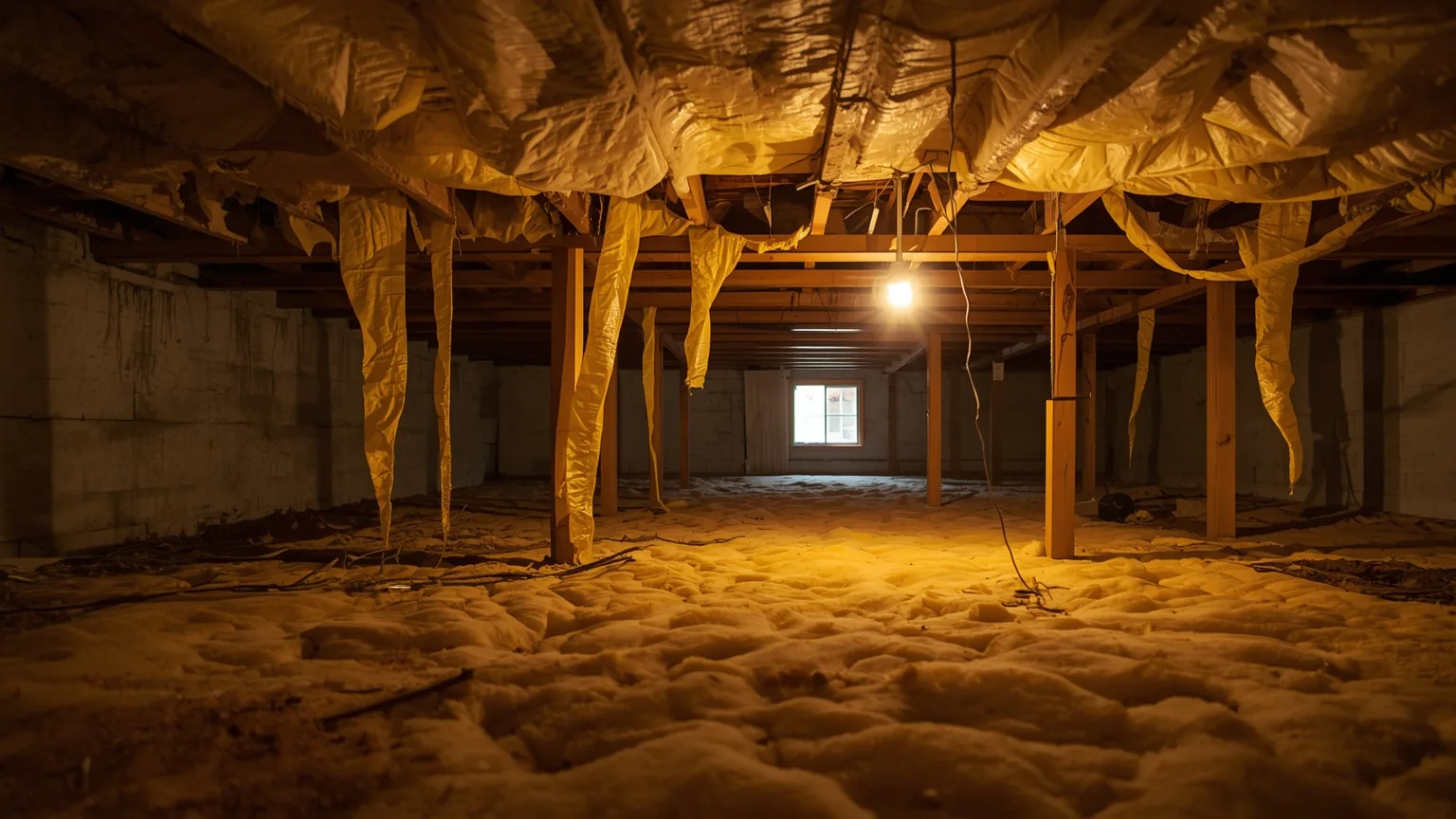
Fallen, matted insulation is one of the most common things homeowners notice in a crawl space. It is worth understanding that it is usually a symptom — the insulation failed because of moisture, and replacing it without addressing that produces the same result again.
Who handles crawl space insulation in Nashville, TN?
Nashville Crawl Space Solutions arranges crawl space insulation removal and replacement across Nashville and Middle Tennessee, including assessment of whether the existing insulation strategy suits the space. Call (615) 805-5343 to arrange an evaluation.
Why fiberglass fails in a damp crawl space
Fiberglass batts insulate by trapping air. Once they absorb moisture, that stops working — wet fiberglass loses most of its insulating value and holds dampness directly against the subfloor above it.
Batts installed under a floor are also fighting gravity. As they take on water they get heavier, sag away from the subfloor, and eventually fall. The sagging insulation homeowners see hanging in their crawl space is generally the visible end of a moisture problem that has been running for some time.
Removing and replacing it without changing the conditions produces the same outcome on the same timeline.
Insulation changes once a crawl space is sealed
A vented crawl space is treated as outside the building envelope, so insulation goes in the floor above it to separate the living space from unconditioned air.
A sealed, encapsulated crawl space is treated as inside the envelope. The insulation then belongs on the foundation walls rather than the floor above, so the crawl space stays closer to the temperature of the house.
That is why insulation decisions should follow the moisture strategy rather than precede it. Installing floor insulation and then encapsulating means paying for the wrong approach and redoing it.
Removal and what it involves
Insulation that is wet, fungal or contaminated by pests is removed rather than left in place, both because it no longer performs and because it holds moisture against the framing.
Removal in a low crawl space is unpleasant, dusty work with real handling and disposal considerations, particularly where there has been fungal growth or rodent activity. It is also the point at which the framing above becomes visible, so it is a natural moment to assess the subfloor and joists for damage that the insulation was hiding.
Why this keeps happening in Middle Tennessee
The physics that ruins vented crawl spaces is simple. Warm outdoor air holds far more moisture than cool air. When that air enters a crawl space and touches surfaces sitting below its dew point — ductwork, pipes, the underside of the subfloor — the moisture condenses out onto them. The vents that were supposed to dry the space are what deliver the water.
Nashville sits in a humid subtropical climate, which means long stretches of warm, moisture-heavy air from late spring through early fall, which is why crawl spaces here are often at their worst in midsummer rather than after heavy rain. Middle Tennessee sits on limestone. Limestone weathers into karst — fractures, seams and voids that move water underground in ways that are difficult to predict from the surface.
Wood begins supporting fungal growth at roughly 20 percent moisture content. Structural framing is not damaged by a single humid week; it is damaged by months of sitting above that threshold. Air moves upward through a house. A meaningful share of the air in your living space started in the crawl space, which is why crawl space humidity and odor show up upstairs.
Crawl Space Insulation questions
Why is my crawl space insulation falling down?
Almost always moisture. Fiberglass batts absorb water, become heavy, and pull away from the subfloor until they fall. The insulation is the visible symptom; the moisture is the actual problem, and replacing the batts without addressing it repeats the cycle.
Should I insulate the floor or the walls?
It depends on whether the crawl space is vented or sealed. A vented crawl space is outside the building envelope, so insulation goes in the floor above. An encapsulated crawl space is inside it, so insulation goes on the foundation walls. Deciding this before the moisture strategy is settled usually means doing it twice.
Does wet insulation need to be removed?
Generally yes. It has lost most of its insulating value and holds moisture against the subfloor, and where there has been fungal growth or pest activity there are handling reasons as well.
Will new insulation fix my cold floors?
It may help, but cold floors in a crawl space home often reflect air leakage and crawl space temperature rather than insulation alone. A sealed crawl space stays closer to indoor temperature, which is frequently a larger factor than the insulation value itself.
Related repair & structure services
Crawl Space Repair
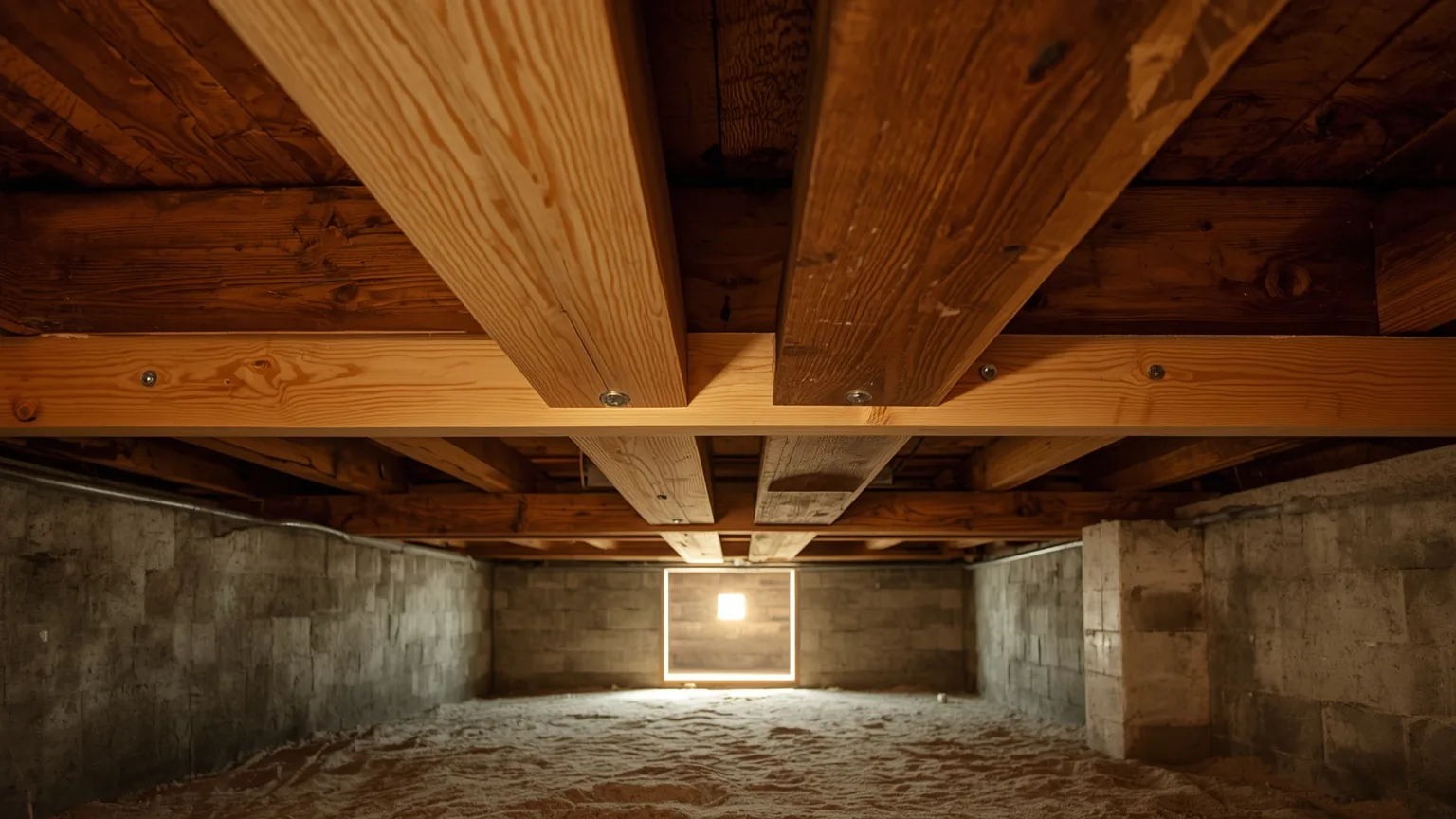
Most crawl space repair is moisture damage that has been running long enough to reach the framing. Fixing the wood without fixing the water means doing it again, so a sound repair addresses both — in that order.
Sagging & Bouncy Floor Repair
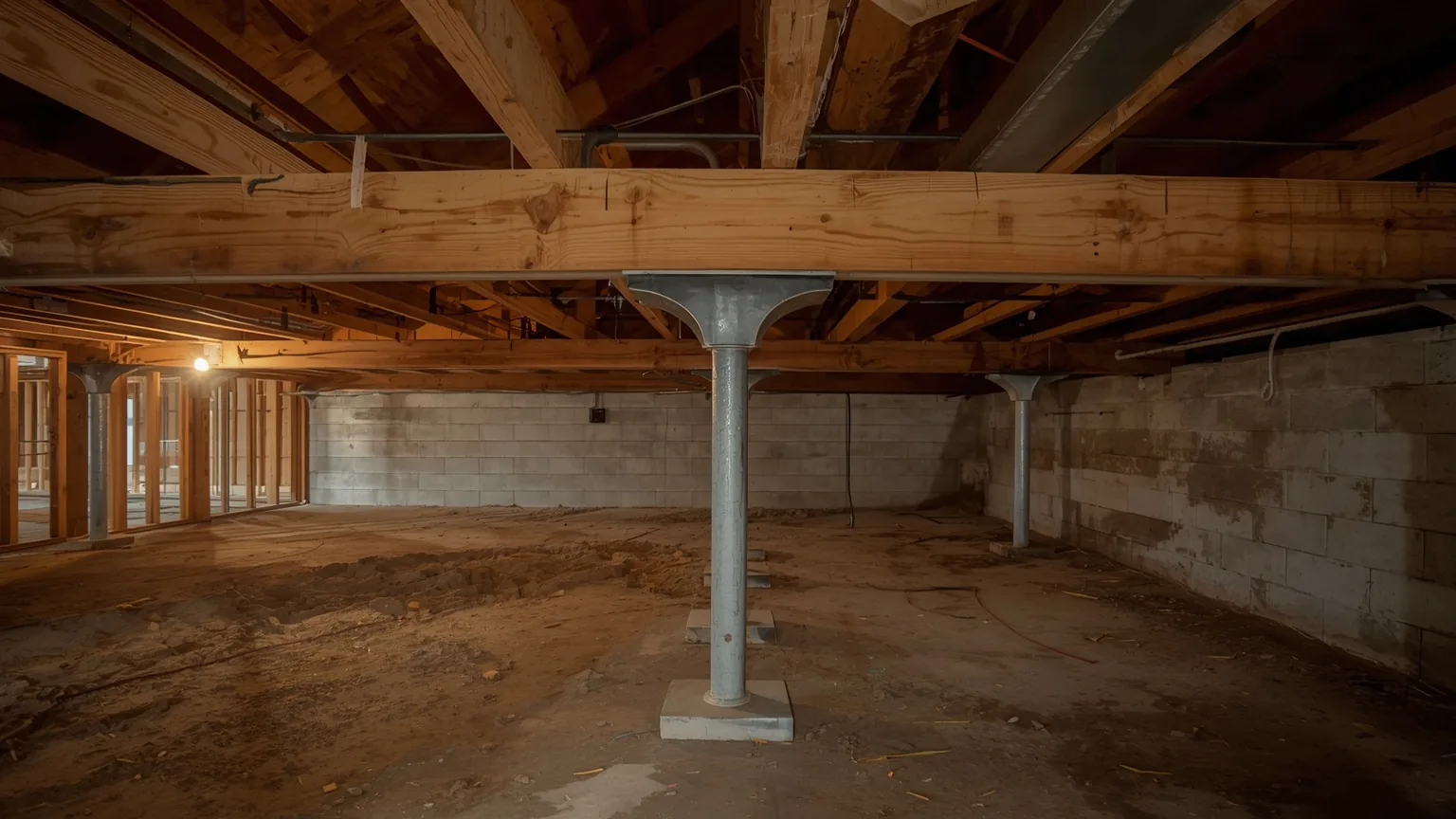
A floor that gives underfoot is reporting on the framing beneath it. In a house over a crawl space, that is usually a moisture story that has been running for years.
Find out what is actually causing it.
An on-site evaluation with moisture readings and a written scope — before any work is quoted.